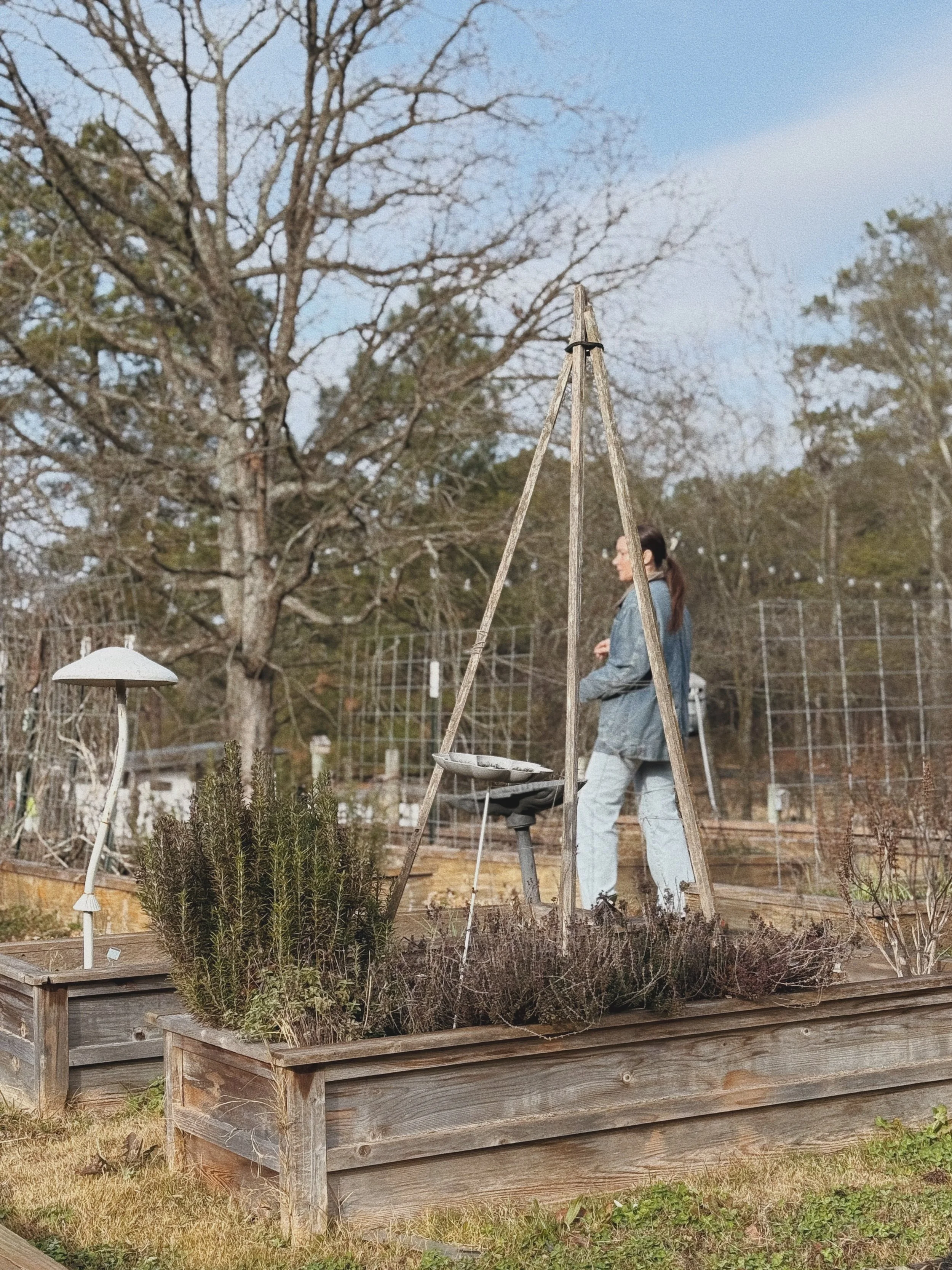
The Work Beneath the Surface
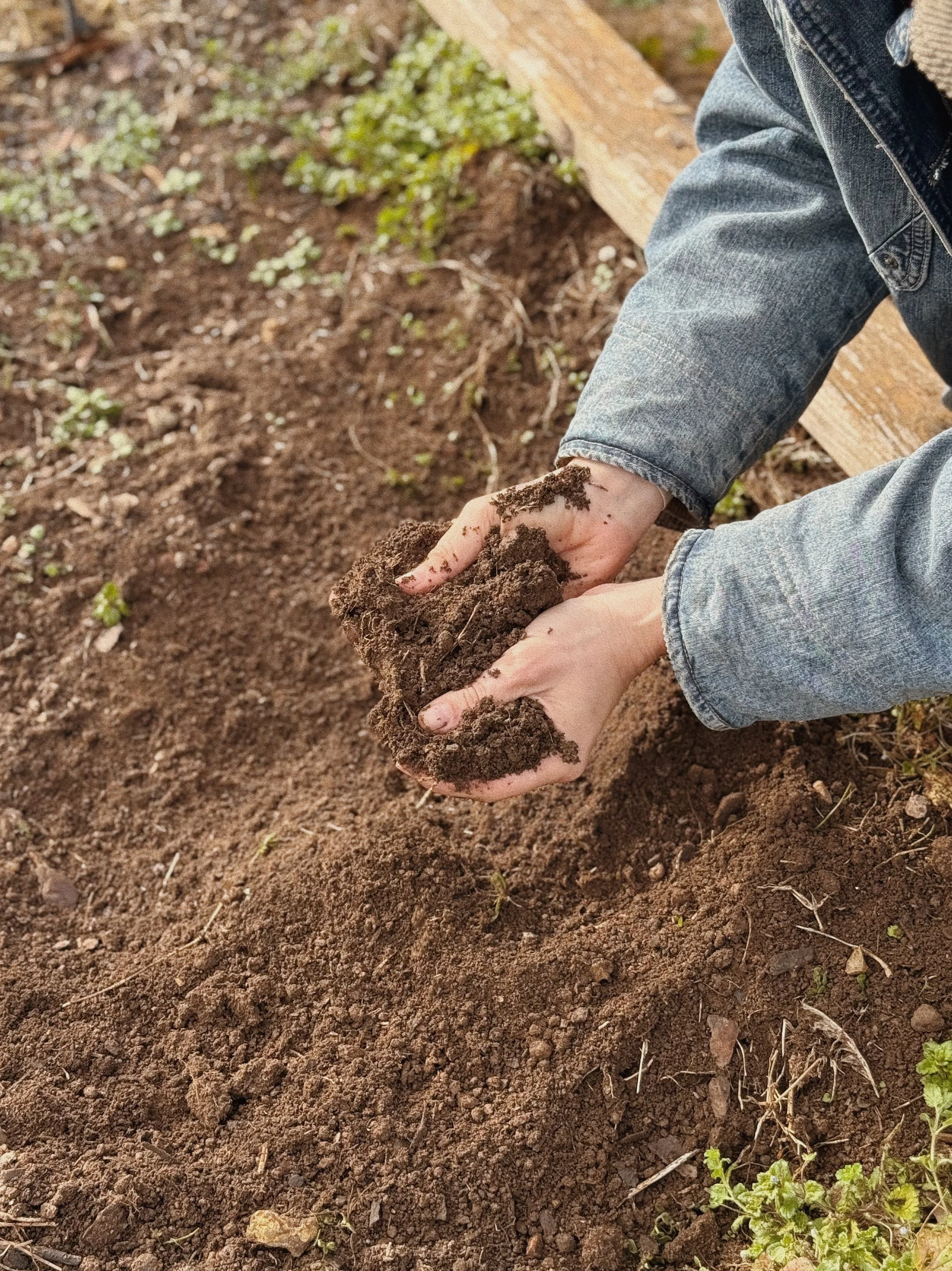
In the garden, nothing thrives without healthy soil.
No amount of watering, fertilizing, or good intentions can make up for depleted ground.
Growth always begins beneath the surface.
Healthy soil is built slowly—through diversity, balance, rest, and care. Companion planting. Crop rotation. Letting the bees do their quiet work. Organic matter returning to the earth instead of being removed.
It's patient work. Often unseen. But it determines everything that comes after.
The same truth applies far beyond the garden bed.
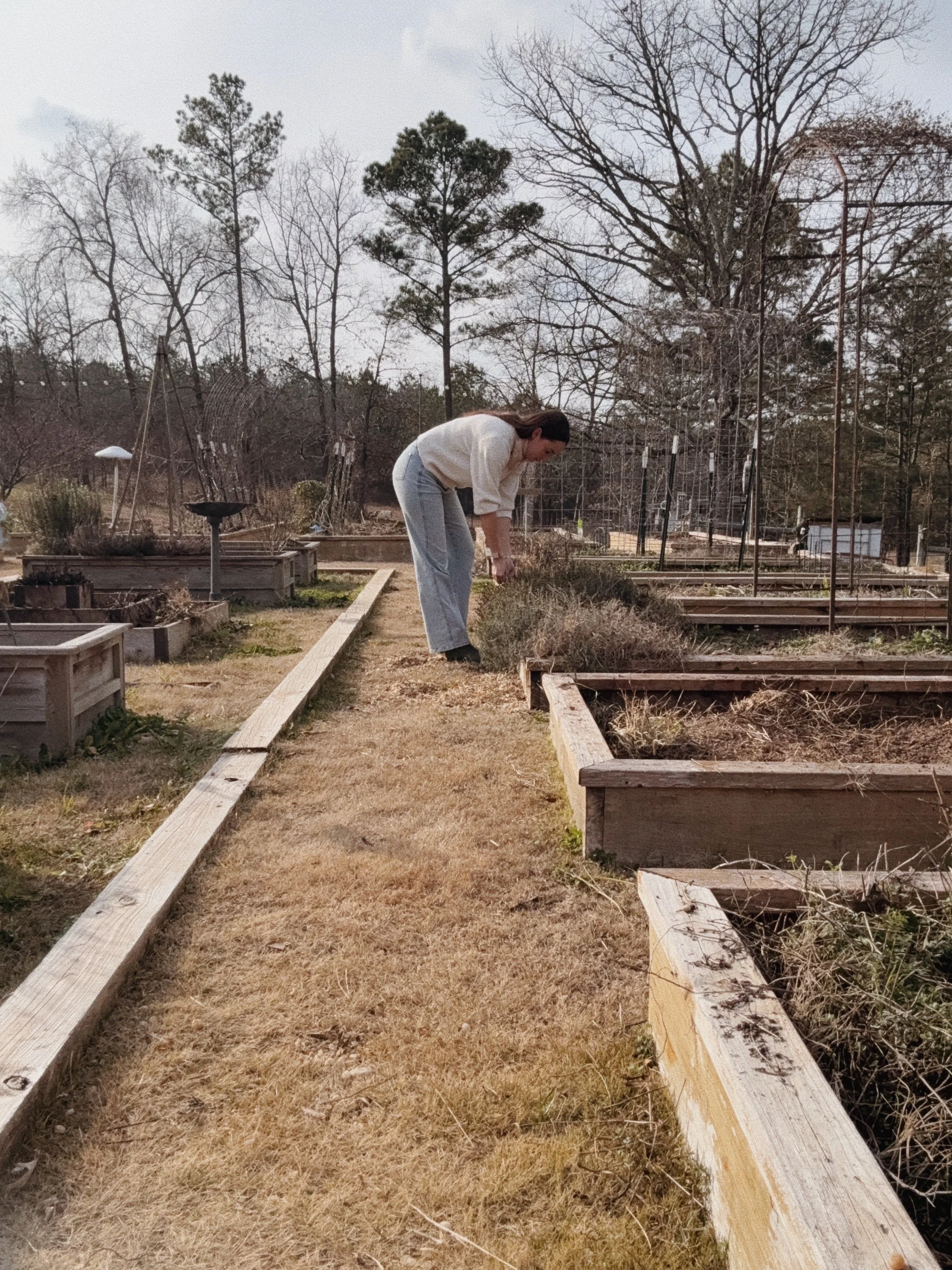
What Healthy Soil Actually Needs
Soil health isn't about control—it's about relationship.
Healthy soil is diverse. Different plants support different microbes. Flowers attract insects that protect and pollinate. Rotating crops prevents depletion and disease. Leaving roots in the ground protects structure and life beneath the surface.
It also needs rest.
Not every bed has to produce all the time. Some seasons are for replenishing rather than harvesting.
And soil needs nourishment that builds, not strips—organic matter, compost, fallen leaves, time.
Life feeding life.
When soil is cared for this way, it becomes resilient. It holds moisture better. It supports stronger plants. It produces food that is richer and more nourishing.
The garden responds when the foundation is sound.
We often forget that our bodies and minds operate by the same principles.
Helpful Resources:
How to make the best organic garden soil
Your companion planting chart for a healthier garden
The Body Whispers Before It Shouts
I saw this clearly during my years as a nurse. Subtle signs were everywhere—fatigue that lingered, pain that became "normal," stress that settled quietly into the background of daily life.
We're taught to push through.
To override discomfort.
To see rest as weakness instead of wisdom.
But the body keeps score. Eventually, it asks us to slow down—sometimes gently, sometimes not.
Wellness isn't about fixing what's broken. It's about listening sooner.
This, too, is soil work.
Tending to Our Own "Soil"
Caring for our internal "soil" rarely requires complexity. What it asks for instead is attention.
But it's easy to overlook because it feels too simple.
Sunshine on your skin.
Fresh air filling your lungs.
Slow, deep breathing.
Walking in nature without an agenda.
Moments of stillness that allow the nervous system to settle.
Food that supports rather than depletes.
Sleep that restores rather than just "gets you through."
Space between obligations.
These are not luxuries. They are basics.
Just as soil needs organic matter, moisture, rest, and biodiversity, our bodies need rhythms that support life rather than extract from it.
Helpful Resource:
7 Health benefits of gardening to improve your health and wellness
Foundations, Not Force
January has always felt like a season for foundations rather than force.
In the garden, this is when we prepare beds, enrich the soil, and plan for diversity instead of dominance.
We don't demand fruit—we make space for it.
Our inner lives ask for the same patience.
Mental and physical health don't thrive under pressure. They flourish when tended consistently, gently, and with awareness. When we pay attention before things unravel.
This is regenerative work—the kind that restores rather than depletes.
Strong roots support long growth
The aim—whether in the garden or in life—is not constant productivity.
It's fruitfulness.
Fruit comes from health, not pressure. From roots that go deep enough to draw nourishment even in dry seasons.
From soil that has been cared for long before harvest is visible.
When we tend the roots—our physical health, mental well-being, and inner life—we make room to flourish.
This is regenerative work.
This is the work beneath the surface.
This is what matters most.