How I’ve Been Supporting Better Sleep, Slowly
There is a quiet kind of work that happens in the dark.
On the farm, much of what matters most is not visible at first glance. Beneath the surface, the soil is alive—roots stretching, microbes breaking things down, nutrients being made available in ways we don’t fully see.
By the time something green appears above ground, the real work has already been underway for some time.
Sleep feels much the same to me.
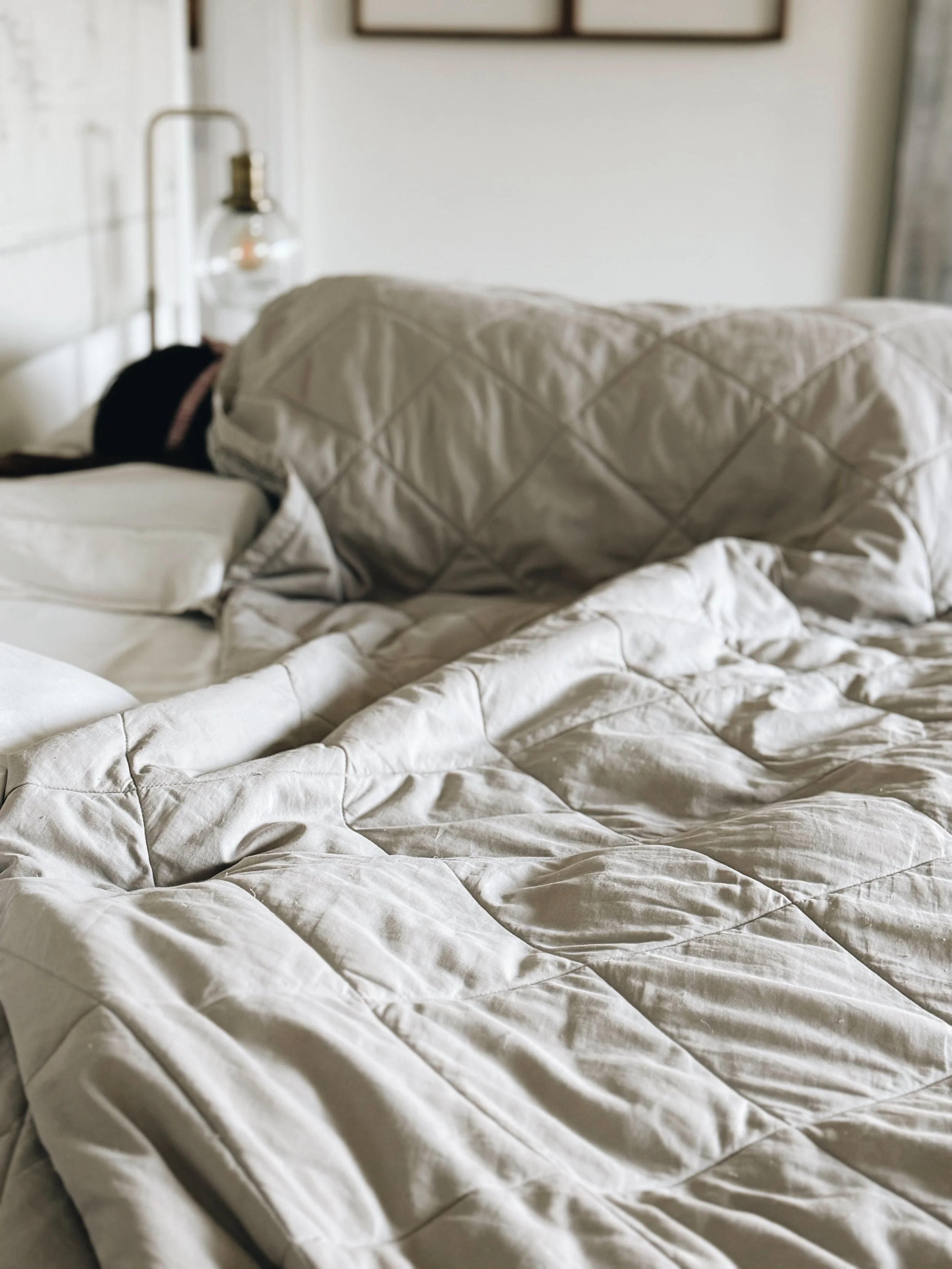
Sleep, Like Soil, Is Built Slowly
Over the years, I’ve come to see that getting good sleep isn’t usually the result of one big change. It’s the result of small, steady habits that create the right conditions for rest. Habits that I had to intentionally practice over time.
Healthy soil supports new growth when the season is right. Beneath the surface, microbes cycle nutrients, organic matter breaks down, and structure is formed that can hold both air and water in balance.
Sleep supports the body in a similar way.
During the night, the body cycles through repair and regulation.
Hormones like melatonin and cortisol follow a rhythm tied to light and darkness.
The brain clears metabolic waste through the glymphatic system.
The immune system becomes more active.
Tissues repair.
It is quiet work, but it allows everything else to function as it should.
When sleep is off, it often shows up everywhere else in our lives, energy, mood, resilience. Just like depleted soil eventually shows itself in the plants above it.
I haven’t approached sleep as something to control, but rather something to support.
Below are a few small practices that have helped me create better conditions for rest over time.
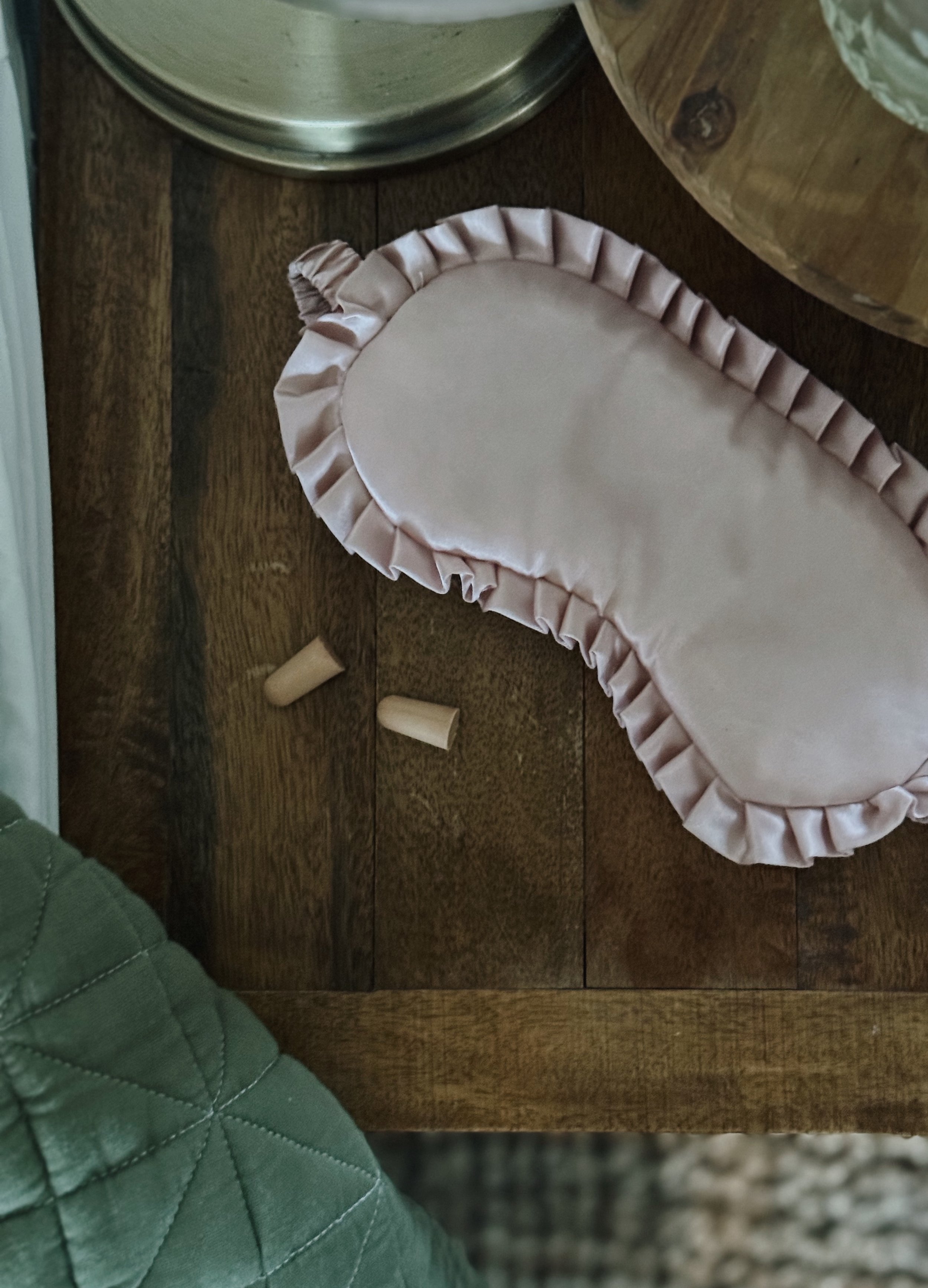
Darkness: An Eye Mask as a Signal
I didn’t expect much from an eye mask at first. But once I started using one, I realized how much light filters into a room at night through windows, electronics, and even distant outdoor lights.
Light, even in small amounts, can suppress melatonin production.
Melatonin is the hormone that signals to the body that it’s time to sleep. When the environment is fully dark, the body can produce it more consistently and at the right time.
Now, putting on an eye mask feels like a quiet transition and something I look forward to. It’s a way of closing the day.
It’s a small thing, but it creates a clear signal: this is the time for rest.
Cooler Air and Fresh Oxygen: Sleeping with the Window Open
Even in colder months, I sleep with the window slightly open.
The body naturally needs to lower its core temperature to fall into deeper sleep. A cooler environment supports this process. Studies have shown that a bedroom temperature of 60–67°F (16–19°C) is ideal for most people.
There’s also the effect of air quality.
In a closed room, carbon dioxide levels gradually rise through the night as we breathe. Elevated CO₂ can subtly disrupt sleep quality, even if we don’t wake up fully.
Fresh air circulation helps maintain a better oxygen balance and keeps the environment from becoming stale.
On the farm, air is always moving. There’s a constant exchange.
Bringing a bit of that indoors at night has felt like restoring something simple, but important.
Reducing Noise: Earplugs and Deeper Sleep Cycles
This is one of the most noticeable changes for me.
Even small sounds—things we don’t fully wake up to—can shift the body out of deeper stages of sleep. These micro-arousals interrupt the natural progression through sleep cycles, especially deep sleep and REM sleep, which are the most restorative phases.
Deep sleep is where physical repair is prioritized. REM sleep supports memory, learning, and emotional processing.
When I use earplugs, I stay in these deeper stages longer. I’ve seen the difference reflected in my sleep tracking with a Whoop band, and I’ve also felt it in a steadier kind of energy the next day.
It’s not about complete silence, but about softening the environment enough that the body doesn’t feel the need to stay alert.
Heat and Release: Sauna and the Nervous System
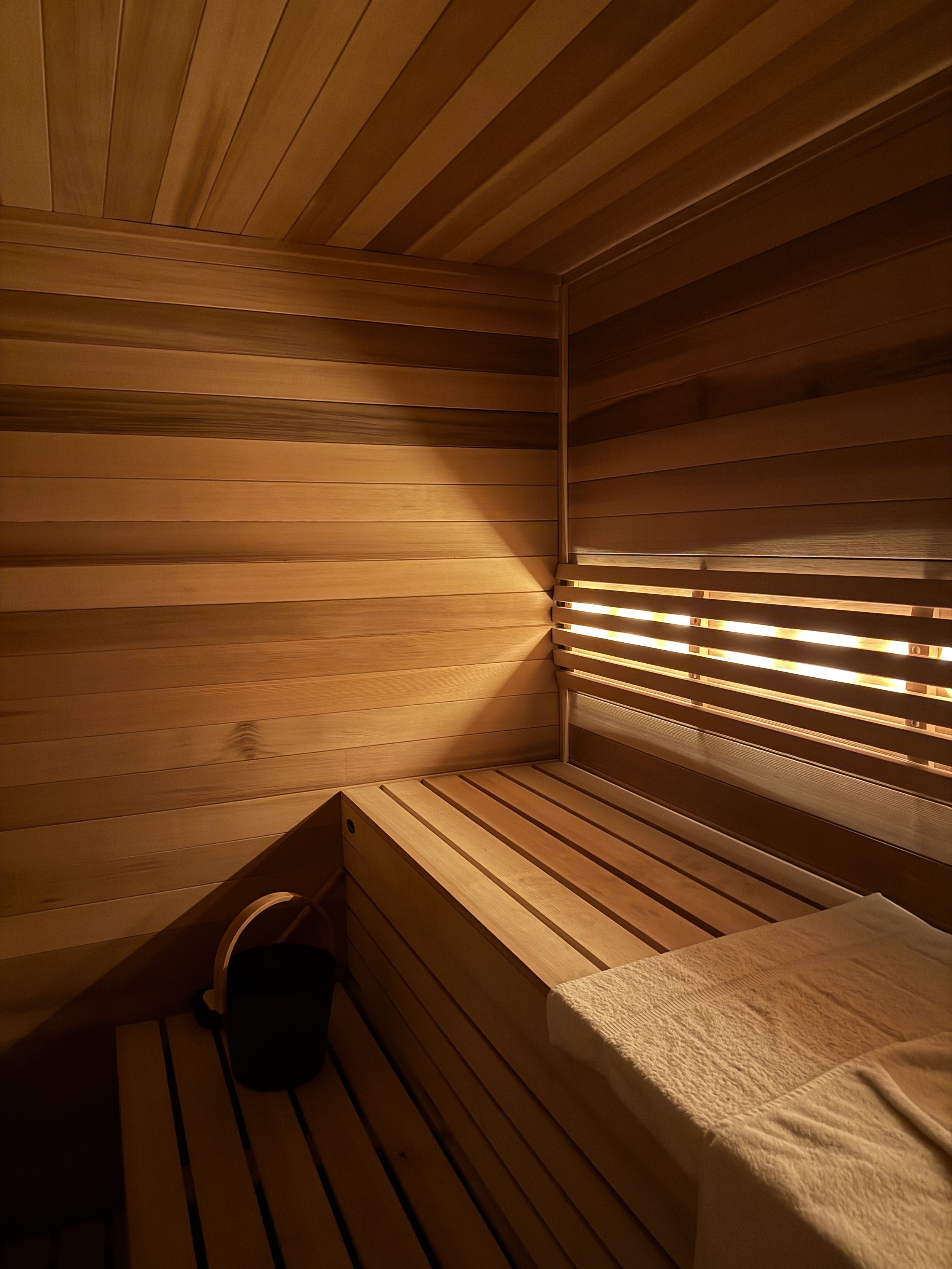
Sauna has become part of my weekly rhythm, usually a few times a week.
There is a noticeable shift that happens in the body during and after heat exposure. Blood vessels dilate, circulation increases, and the body begins to relax.
From a nervous system perspective, sauna use can help shift the body from a more alert, sympathetic state (often called “fight or flight”) to a more relaxed, parasympathetic state (“rest and digest”).
There’s also a temperature effect.
After leaving the sauna, the body cools down, and this drop in core temperature mimics the natural process that occurs before sleep. This can make it easier to fall asleep and improve overall sleep quality.
Regular sauna use has also been associated with improved cardiovascular health and reduced stress levels, both of which indirectly support better sleep.
But beyond the physiology, it feels like a pause.
A place where the body can let go of what it has been holding.
A Few Other Ways to Support Sleep
Beyond these recent habits I have been applying, there are a few other steady rhythms that matter over time. They are less noticeable in the moment, but they shape sleep in a deeper, more foundational way, much like tending soil before anything is planted.
Morning light exposure
Getting outside early in the day, even for a few minutes, helps anchor the body’s circadian rhythm. This is one of my favorite things to do!
Natural light signals to the brain when the day has begun, which in turn helps regulate when melatonin will rise in the evening.
It’s one of the simplest ways to support better sleep later—stepping outside, taking in the air, letting your eyes adjust to natural light.
Consistent sleep and wake times
The body responds well to rhythm.
Going to bed and waking up at roughly the same time each day helps stabilize internal clocks. Over time, the body begins to anticipate sleep, rather than resist it.
On the farm, so much follows a pattern. The light, seasons, growth cycles. Sleep seems to follow that same need for steadiness.
Limiting light in the evening
As the day winds down, softer light matters.
Bright overhead lights and screens can delay melatonin production, making it harder to feel naturally tired. Shifting to warmer, dimmer lighting in the evening helps signal that the day is coming to a close.
It’s a small environmental change, but one that gently prepares the body for rest.
A slower evening rhythm
Sleep doesn’t begin the moment we lie down.
What we do in the hours before bed shapes how easily the body transitions. Slowing things down, like dimmer light, fewer inputs, and quieter activities, gives the nervous system space to settle.
On the farm, there is a natural winding down as the light fades. Animals settle. Movement slows. The day closes gradually.
The body needs something similar.
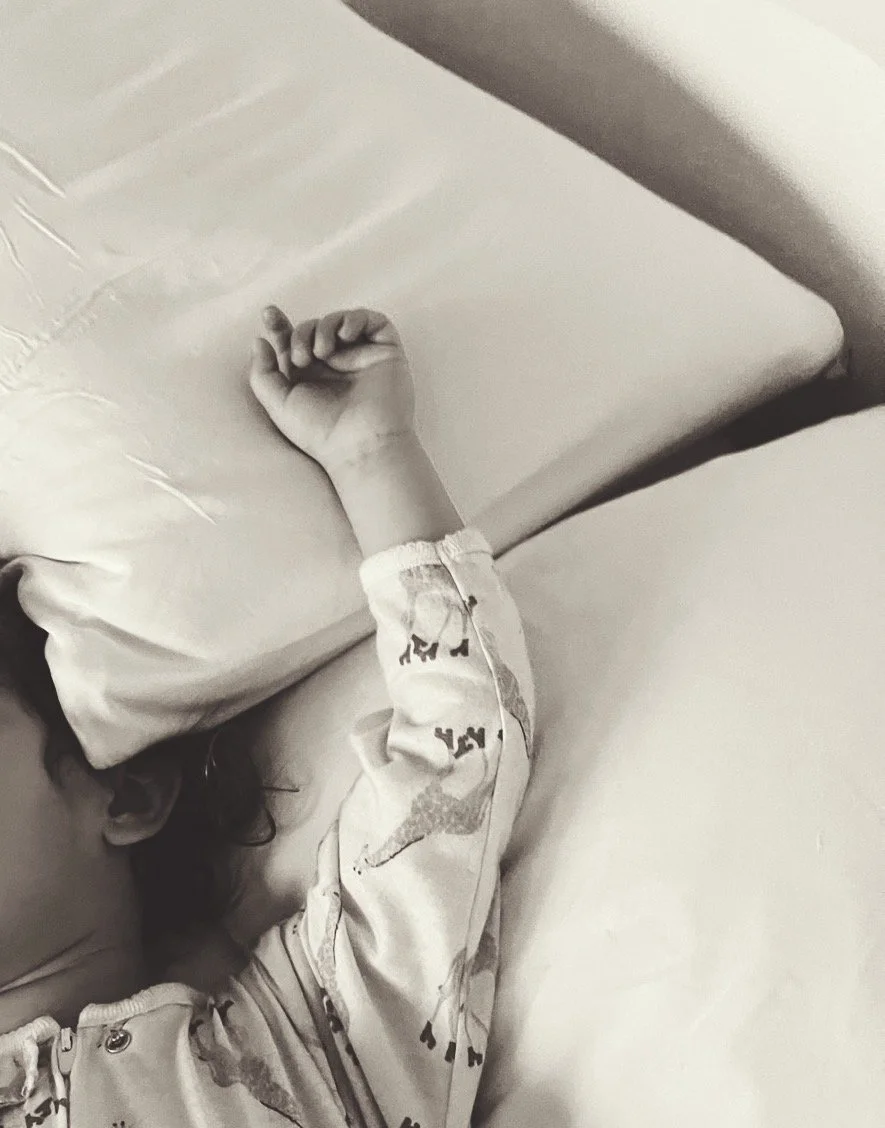
None of these things are dramatic on their own.
But together, they begin to shape an environment where sleep can happen more naturally.
That’s what I’ve noticed with both soil and health. It’s rarely about doing more. It’s about supporting what already knows how to work, if given the right conditions.
Good soil doesn’t rush growth. It holds steady, season after season, building quietly beneath the surface.
Sleep is similar.
It asks for a bit of care, a bit of consistency, and a willingness to let the deeper work happen where we cannot see it.
And over time, that quiet work changes everything above the surface.
Annette xx