Wellness Was Never Meant to be This Complicated
The wellness world moves quickly now.
There is always another protocol, another supplement stack, another device promising optimization. Biohacking has become a thing, and sometimes it feels like I am missing out.
Ice baths. IV drips. Blue-light glasses. Continuous glucose monitors for people without blood sugar issues. Wearables measuring recovery, stress, readiness, sleep stages, and heart variability.
Some of these tools may have value. Jared and I even use some of them. We have a love-hate relationship with the ice bath! But technology itself is not the problem.
Sometimes it feels as though we are trying to recreate, purchase, or engineer what people once received simply through daily living.
And often, the answer is far less complicated than the industry surrounding it.

Wellness Has Become Increasingly Complicated
Health used to be woven into everyday life.
For most of human history, people naturally moved throughout the day. They spent hours outside. Meals were prepared from foods grown nearby and eaten in season. Light exposure followed the rhythms of sunrise and sunset. Hands regularly touched soil, plants, animals, and the natural world.
Now, many of us live indoors most of the day, disconnected from the very environment the human body was designed to live in.
So we search for ways to compensate.
We buy supplements for deficiencies tied to a lack of sunlight and poor soil quality. We use fitness trackers to remind us to stand and walk. We pay for stress-reduction therapies while living in a constant state of stimulation and hurry.
The irony is hard to miss.
Nature has been there all along to provide these very things.
What the Longest-Living Communities Often Have in Common
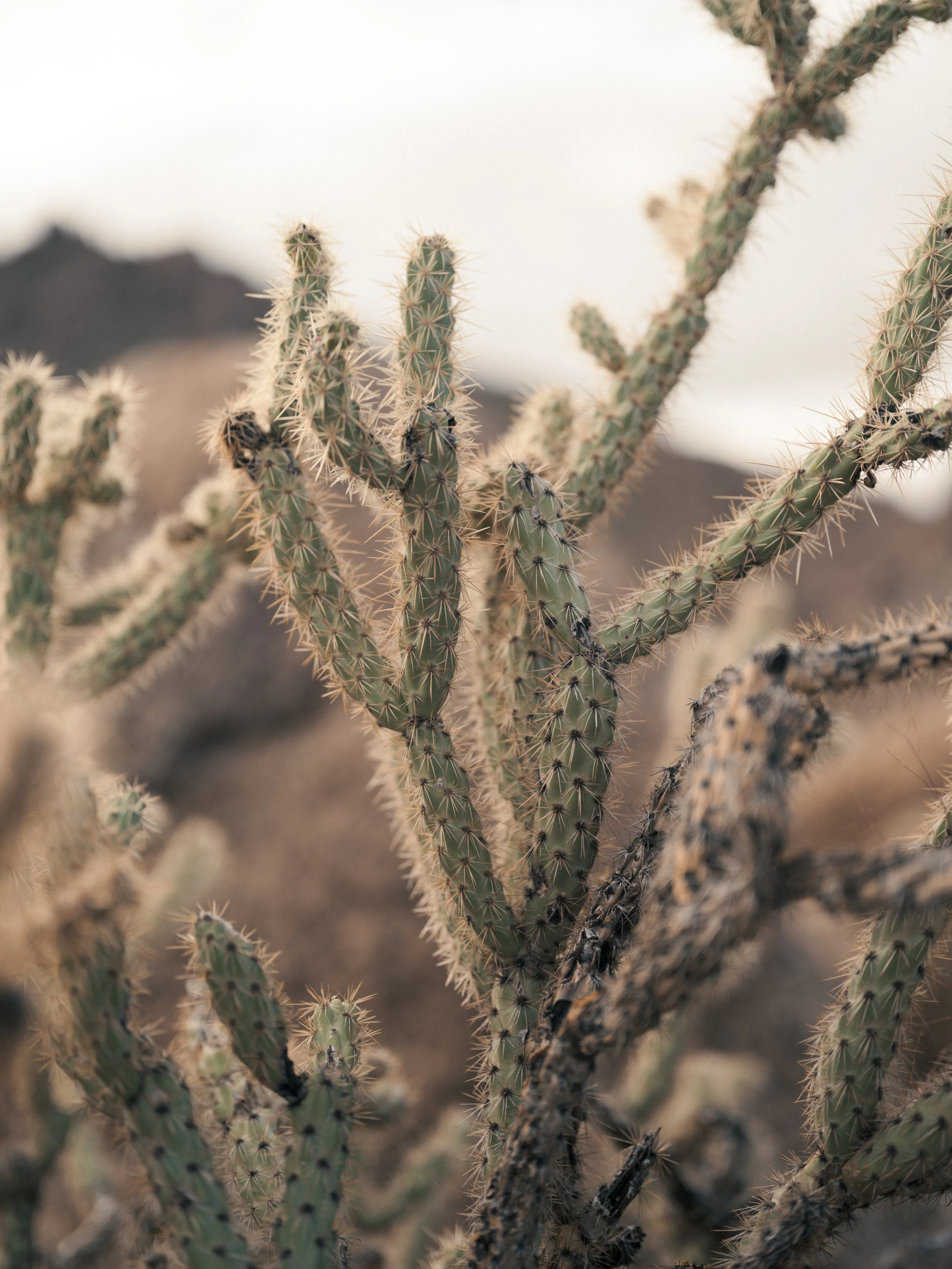
When researchers study many of the world’s longest-living populations, often referred to as blue zones, the patterns are surprisingly ordinary.
People walk regularly as part of daily life. No cars to get from A to B. They spend time outdoors. They stay socially connected. Meals are simple, nourishing, and often locally grown. There is rhythm to life rather than constant urgency.
There is very little dependence in the modern sense.
No endless stream of wellness gadgets.
No obsession with tracking every biological marker.
Just consistent, grounded habits repeated over decades.
That simplicity stands in sharp contrast to much of modern wellness culture, where health often feels increasingly complex, expensive, and difficult to maintain.

Gardening: One of the Most Natural Forms of Movement
I think about this often while working in the garden.
Gardening has never felt like exercise, yet after a day outside, my body feels it.
There’s lifting, bending, stretching, carrying, squatting, digging, walking, and reaching. Slow movement sustained over hours instead of intensity compressed into a short workout.
Don’t get me wrong, I still enjoy my weight-training sessions. But gardening offers so much more.
Food.
Beauty.
Fresh air.
A sense of rhythm and peace.
Even small amounts of gardening seem to reconnect people with something slower and steadier.
Practical Ways to Add More Gardening to Your Daily Life
Grow herbs in pots near a kitchen window
Start with one raised bed instead of an entire garden
Spend ten minutes outside watering plants in the morning
Let children help in the dirt without worrying so much about the mess
Focus on growing seasonal foods rather than perfection
Read more:
Sunlight and Circadian Rhythm
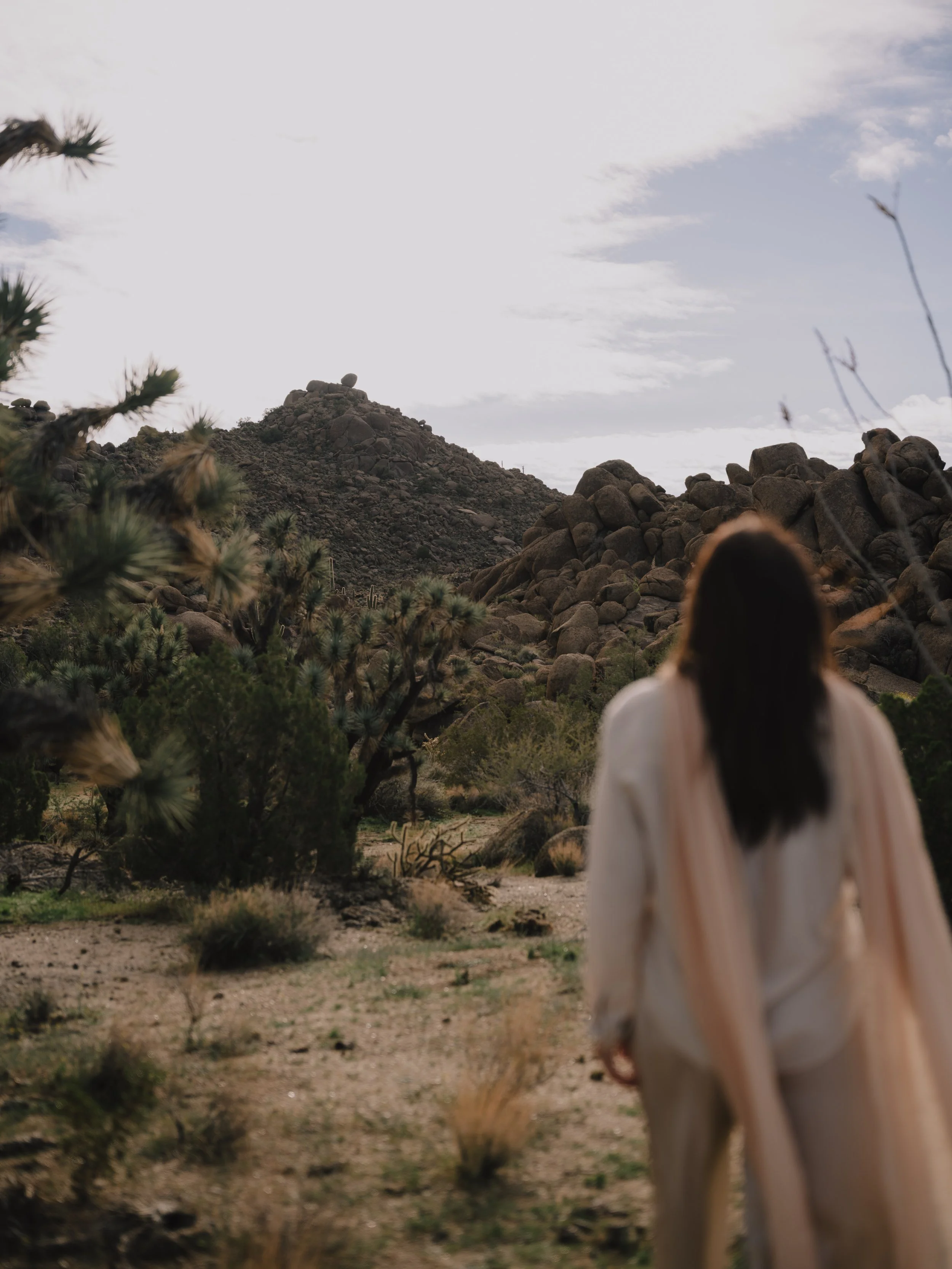
Many people spend most of their lives beneath artificial lighting without realizing how deeply the body responds to natural light.
Morning sunlight helps regulate circadian rhythm, influencing sleep, hormones, mood, and energy levels throughout the day. Evening darkness matters too.
The body was designed to live in rhythm with light.
Modern life often disrupts that rhythm completely.
Late-night screen exposure, indoor living, and artificial lighting have separated many people from the natural cues the body has relied on for thousands of years.
Simple Ways to Support Your Circadian Rhythm
Step outside within the first hour of waking (my favorite time of day!)
Open windows and curtains early in the morning
Eat meals during consistent daylight hours
Reduce bright overhead lighting in the evening
Watch a sunset occasionally instead of another screen

The Quiet Benefits of Time Outdoors
Nature changes the pace of the body.
Stress softens outside.
My thoughts always seem to untangle after a walk beneath trees or an evening spent working in the garden rows. Increasingly, research shows that nature exposure can lower stress markers and support mental well-being.
But most people already know this intuitively.
You can feel the difference after spending time outdoors.
Fresh air, changing weather, birdsong, trees moving in the wind, the smell of soil after rain — these things may seem small, yet they often leave people feeling more grounded than another productivity tool or wellness routine ever could.
Simple Ways to Spend More Time Outside
Take short walks without headphones
Drink coffee outdoors in the morning
Eat meals outside when the weather allows
Read in natural light instead of indoors
Work with windows open whenever possible
Soil & Microbial Diversity
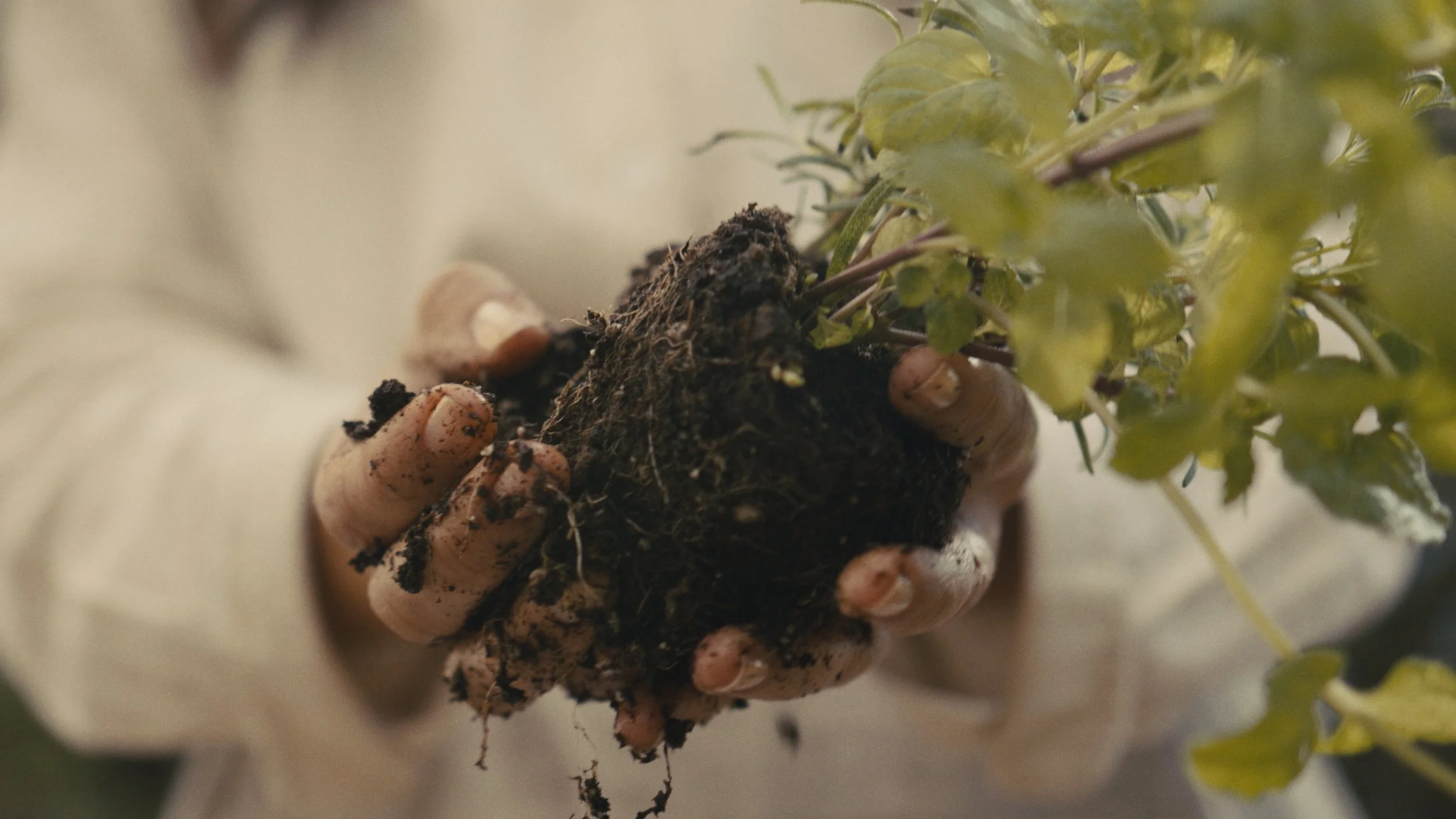
One of the most interesting conversations happening in wellness right now involves the relationship between the human body and microbial diversity.
Healthy soil contains enormous amounts of living organisms. Historically, people interacted with this environment constantly through farming, gardening, animals, and outdoor living.
But our modern life and homes have become increasingly sterile.
Children once spent hours barefoot outdoors and came home covered in dirt. Today, many people rarely touch soil at all.
While cleanliness and sanitation certainly have their place, there is also growing awareness that constant separation from the natural environment may come with unintended consequences.
The body seems to benefit from biodiversity.
From variety.
From contact with living systems rather than constant isolation from them.
Read more: How to make the best organic garden soil
Nourishing Food Starts With Healthy Soil
We often think that we need to rely on supplements, powders, and isolated nutrients to fulfill our and our family’s nutritional needs.
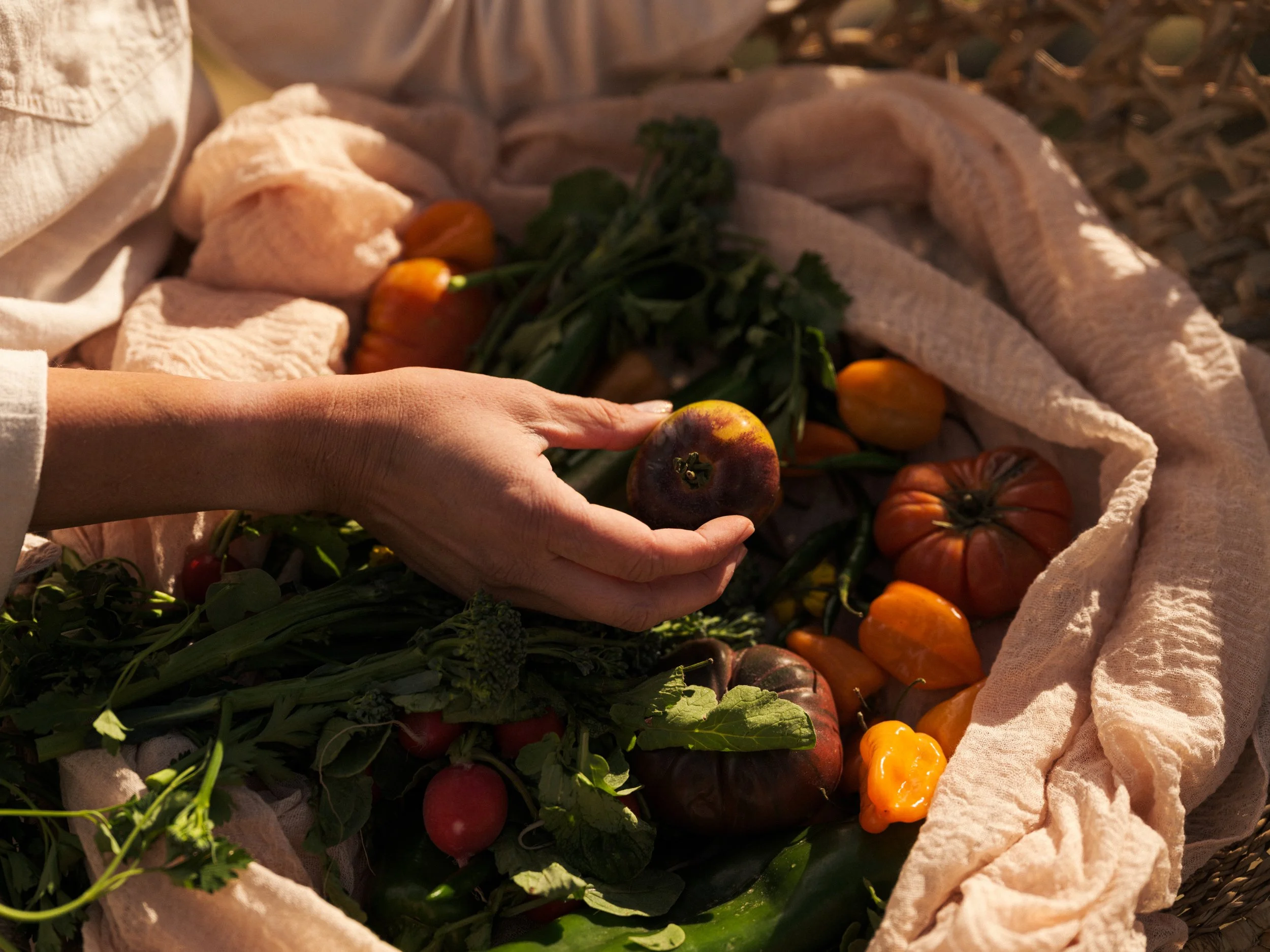
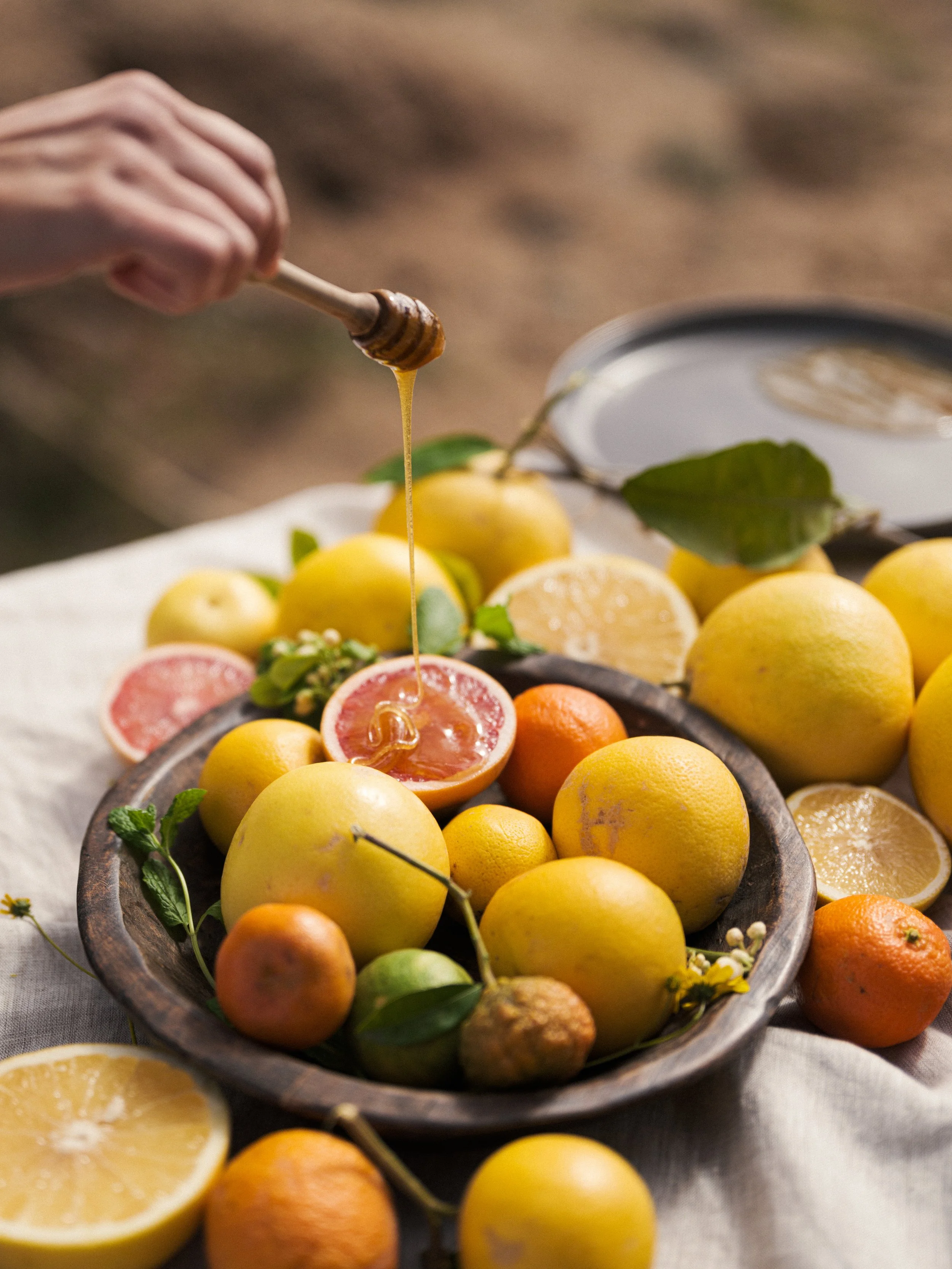
But much of health begins with food grown well. For many years now, my focus has shifted to local produce that is in season to make sure we eat the healthiest food possible.
In-season produce grown in healthy soil conditions often contains a depth and freshness difficult to replicate through heavily processed foods or synthetic supplementation alone.
There is also something deeply regulating about eating seasonally.
Foods naturally align with the time of year they are grown. Lighter foods appear during warmer months. Heavier, more grounding foods arrive during colder seasons.
Nature already carries rhythm and balance within it.
Practical Ways to Eat More in Rhythm With Nature
Shop at local farmers’ markets when possible
Prioritize seasonal produce
Grow even a small portion of your own food
Cook more meals at home using whole ingredients
Focus on nourishment rather than food trends
Read more:
Seasonal eating: the why and how, with monthly seasonal produce lists
A Return to Simplicity
None of this means modern medicine, science, or innovation are without value. They have brought tremendous good. Some tools genuinely help people heal and support their health.
But somewhere along the way, wellness became increasingly complicated, time-consuming, and expensive.
As though health could only be found through expensive routines, constant tracking, or highly individualized protocols.
Yet many of the foundations of human well-being have remained remarkably unchanged.
Light.
Movement.
Fresh air.
Rest.
Connection.
Nourishing food.
Time outdoors.
The older I get, the more I notice how often the body responds to consistency over intensity. To accumulation over urgency. To simple things done repeatedly over time.
Nature rarely works quickly.
But almost everything meaningful in nature happens slowly, quietly, and through steady repetition.
Perhaps health does too.
Annette, xx